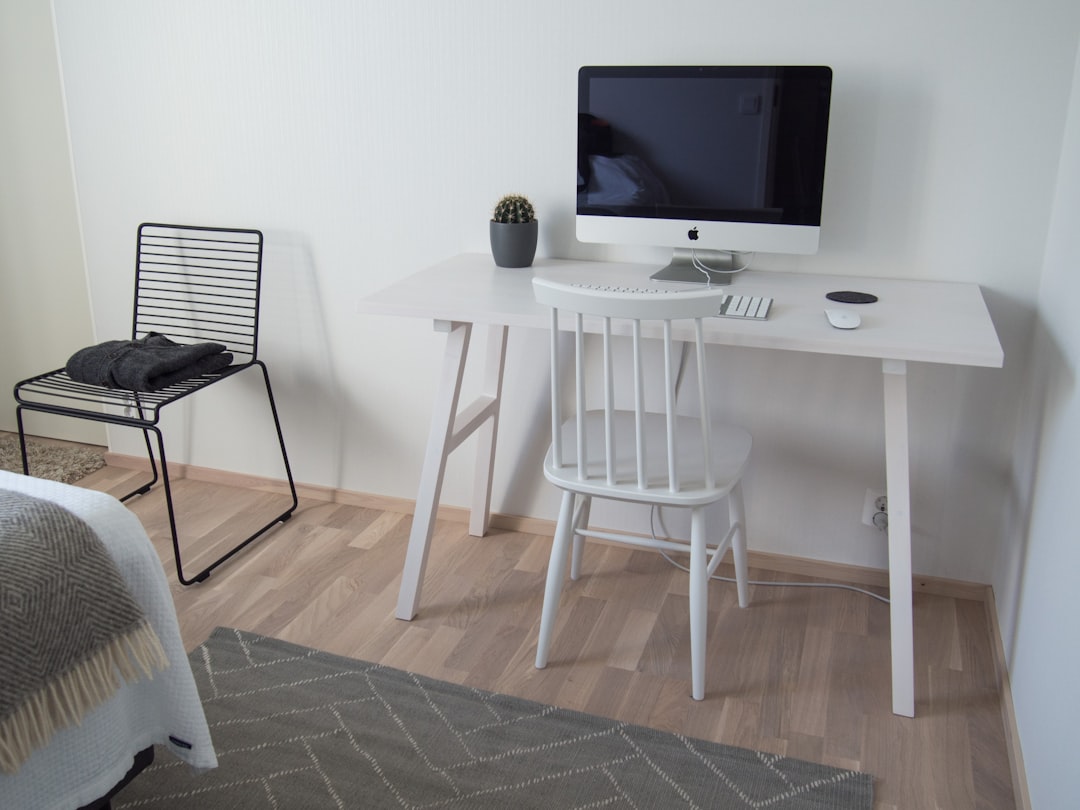
In many HDB flats, the Scandinavian armchair ends up wedged awkwardly between the sofa and TV console — a piece that screams "hygge" but disrupts the room’s flow rather than enhancing it. For compact living rooms, the key lies in pairing light wood tones like oak or beech with neutral upholstery — think performance velvet in soft greys or sage greens — to maintain that airy Nordic feel without overwhelming the space.
Placement matters as much as the chair itself. In a 12 sqm HDB living room, tuck a slim-profile armchair into a corner near a window — it’ll double as a reading nook while keeping the centre floor space clear. For 16 sqm condo layouts, consider pairing two accent chairs with a small side table; this creates a conversational zone without cluttering the room. Functional designs, like chairs with built-in storage or foldable arms, work particularly well in these setups — they’re practical without sacrificing style.
Lighting plays a subtle but crucial role. Position the chair where it catches natural light during the day and is within reach of a floor lamp for evenings. Avoid heavy, dark-toned chairs — they’ll shrink the room visually — and opt for pieces with clean lines and tapered legs to maintain that sense of openness.
Budget-wise, Scandinavian chairs in Singapore typically range from $400 to $1,200, with mid-range options from brands like Castlery or FortyTwo offering a balance of quality and affordability. While IKEA remains a go-to for budget-conscious buyers, their lighter frames don’t always hold up as well in humid climates — a consideration worth noting if you’re planning to keep the chair long-term.
Singapore’s humidity hovers around 80% most of the year, and untreated wood in a Scandinavian chair can warp within months. For homeowners in Tampines or Bedok flats, that’s an expensive mistake—especially when you’re paying $1,200 for a sleek oak armchair. Treated oak or ash, with their natural resistance to moisture, are smarter picks; they’ll hold up better in humid conditions while keeping that light, airy Scandinavian aesthetic intact.
Upholstery matters just as much as the frame. Linen or cotton blends, often used in Nordic designs, are practical choices—they’re breathable, resistant to mildew, and easier to clean than heavier fabrics. Performance velvet, while trendy, can trap moisture and feel uncomfortably sticky in Singapore’s climate. Stick to neutral tones like soft greys or sage greens; they’re forgiving when it comes to fading under constant sunlight streaming through your condo’s floor-to-ceiling windows.
Maintenance is key. Even moisture-resistant materials need care in a tropical environment. Wipe down wooden frames monthly with a damp cloth to prevent dust buildup, and avoid placing chairs directly under air conditioning vents—uneven drying can cause cracks. For upholstery, a fabric protector spray can add an extra layer of defence against spills and humidity.
It’s worth noting that not all Scandinavian designs are created equal for Singapore’s climate. Some mass-produced pieces from big-box retailers use untreated rubberwood or low-quality finishes that won’t last. Investing in a locally adapted design, like those from Commune or FortyTwo, ensures you’re getting furniture built for the tropics—not just imported from a Swedish warehouse.
" width="100%" height="480">Scandinavian chair placement: Optimising living room flowMany Singaporean buyers underestimate how much space an armchair consumes in a 10 sqm HDB living room. Scandinavian designs often favour clean lines and compact proportions, but even these can overwhelm tight spaces if not measured carefully. A common mistake is placing chairs too close to coffee tables or TV consoles, disrupting the room’s flow. Always leave at least 60 cm of clearance around seating for comfortable movement. Measuring doorways and stairwells beforehand ensures the chair can even make it into the flat.
Scandinavian armchairs typically feature light wood tones like oak or ash, paired with neutral fabrics. Buyers often overlook how these materials fare in Singapore’s humidity, leading to warped frames or mouldy upholstery. Opt for treated wood and breathable fabrics like linen or cotton to maintain durability. Avoid darker woods or heavy textures that can make the space feel smaller. Proper care ensures the chair remains a centrepiece rather than a maintenance headache.
Neutral palettes dominate Scandinavian design, but buyers sometimes mismatch tones, creating a disjointed look. A chair in soft grey or muted blue can anchor the room, while overly bold colours clash with the minimalist aesthetic. Consider how the chair complements existing elements like curtains or rugs. Consistency in colour scheme enhances the sense of calm and cohesion. Stick to warm whites and muted hues for a harmonious Scandinavian vibe.
Scandinavian furniture prioritises functionality, yet buyers often prioritise aesthetics over practicality. A chair with built-in storage or a swivel base can maximise utility in small spaces. Multi-functional designs, like chairs that double as reading nooks, are ideal for HDB flats. Avoid oversized recliners that dominate the room without offering versatility. Thoughtful choices ensure the chair serves both form and function.
Lighting plays a crucial role in how Scandinavian furniture is perceived. Buyers frequently overlook how shadows or glare affect the chair’s appearance. Position the chair near natural light sources to highlight its clean lines and textures. Avoid placing it directly under harsh overhead lights, which can wash out its details. Balanced lighting enhances the chair’s design and creates a welcoming atmosphere.
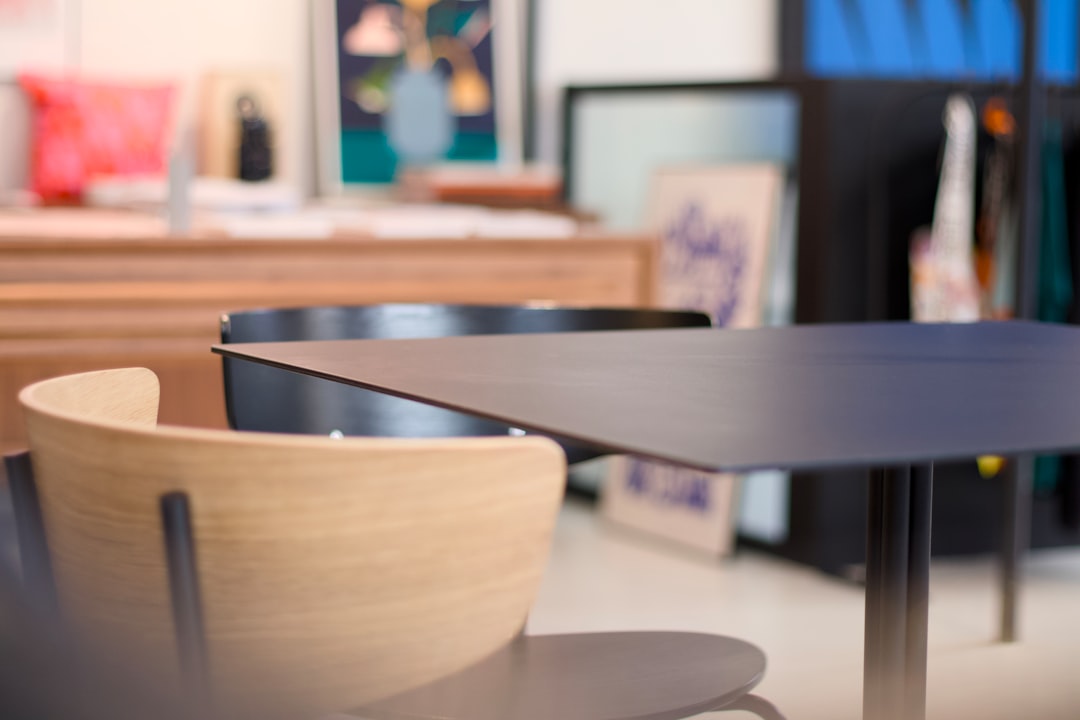
The Megafurniture showroom at Joo Seng lets you test-drive Scandinavian chairs the way they’re meant to be used—perched on for 20 minutes while scrolling Instagram, not just a quick sit-down. Their Eames-inspired oak shell chairs hold up to Singapore’s humidity better than most replicas; you’ll notice the difference in how the bentwood edges stay flush where cheaper versions warp. Assembly’s straightforward—hex key included, no hunting for tools—but the real test is whether the seat height works with your dining table (most HDB setups need 45cm chairs for 75cm tables). Delivery options cater to tight spaces: weekday slots avoid condo freight elevator queues, and their team will haul up stairwells for walk-ups. The showroom’s layout mirrors typical BTO living rooms, so you can judge how that sheepskin throw clashes (or doesn’t) with your existing grey sofa. One detail regulars notice—the oak finishes vary slightly between batches. If you’re matching existing furniture, bring a swatch. Their stain samples hide under the display chairs’ cushions. The Tampines branch stocks fewer floor models but has same-day truck delivery for eastern neighborhoods. Either location lets you stress-test the return policy—sit on a chair backwards, rock side to side, see if the staff flinches.
—their 2026 lineup added wider seats for cross-legged sitting, a silent nod to how Singaporeans actually use living room chairs. The showroom’s AC is set to 22°C, so you’ll know exactly how that wool upholstery feels in our climate.
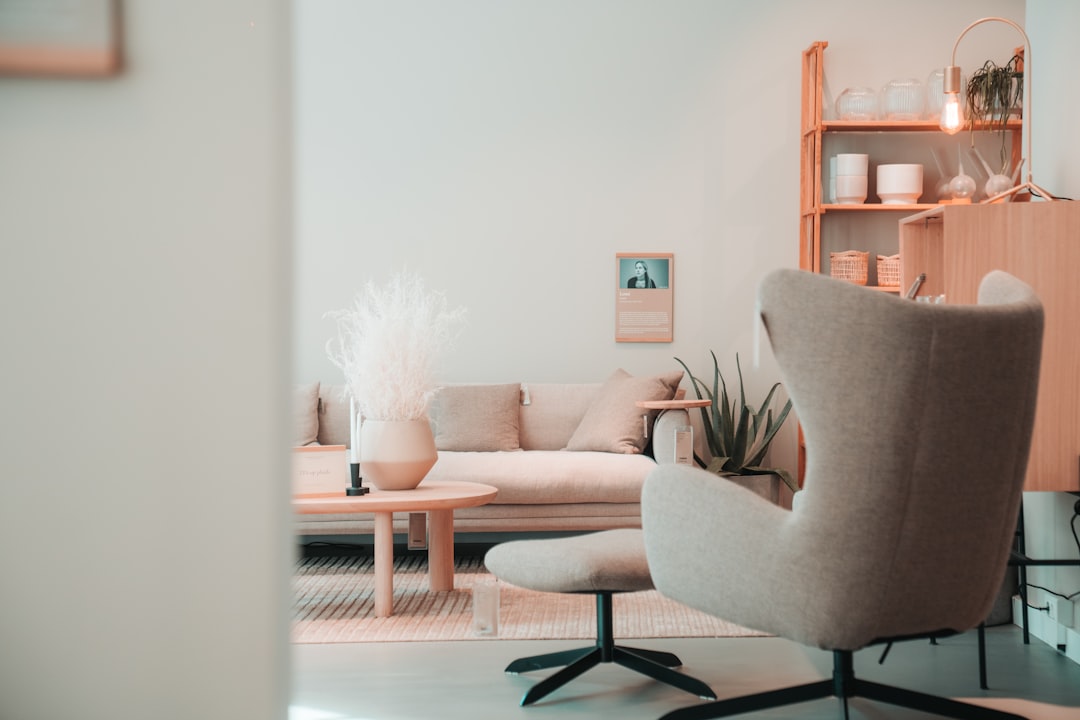
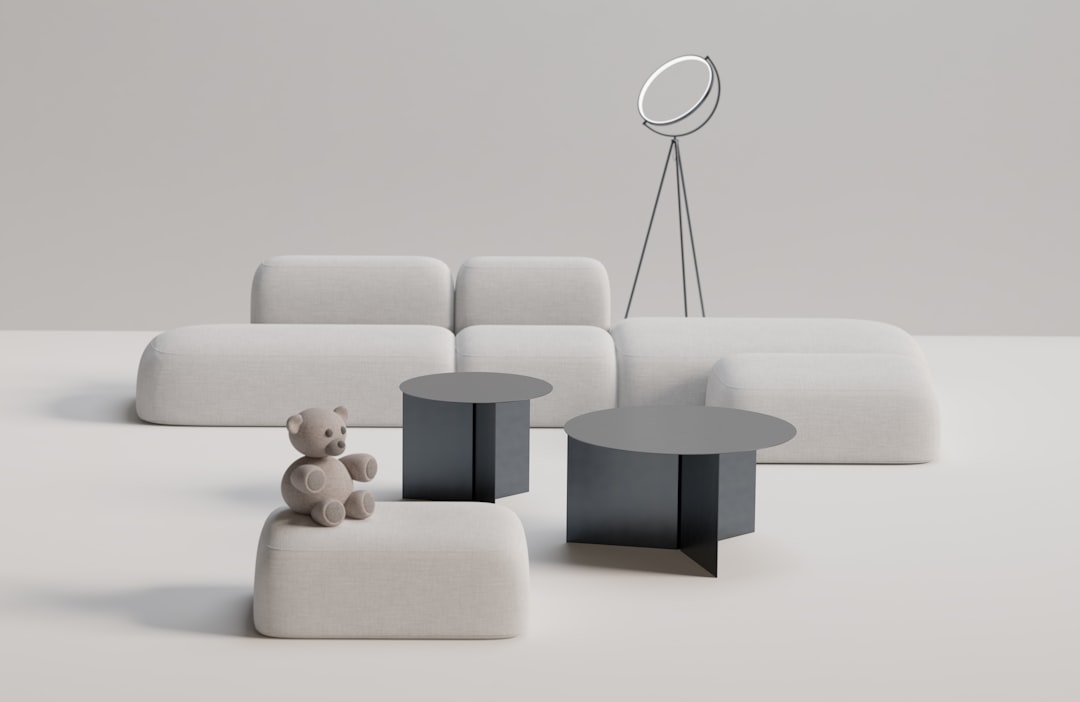
Delivery timelines for Scandinavian chairs often hinge on HDB lift availability — especially in older estates like Bedok or Tampines, where narrow stairwells can complicate furniture movement. Most retailers recommend confirming delivery slots during off-peak hours, typically weekday mornings, to avoid lift sharing with moving vans or renovation contractors. Assembly requirements vary: IKEA’s flat-pack chairs demand Allen key precision, while Castlery’s pre-assembled options save time but need careful manoeuvring through tight corridors.
Humidity-related wear is a recurring issue in Singapore’s tropical climate, particularly for Scandinavian chairs with untreated oak or ash frames. Many brands now offer extended warranties covering warping or mould — Commune’s 3-year guarantee, for instance, includes humidity damage, while FortyTwo’s limited coverage excludes it outright. It’s worth checking the fine print before committing, especially for homes near coastal areas like Marine Parade or Pasir Ris, where salt air accelerates wear.
Assembly challenges often surface in compact spaces — a 12 sqm HDB living room, for example, might struggle with the bulk of a Carl Hansen CH20 Wing Chair. HipVan’s modular designs, though easier to transport, can feel less sturdy than their solid counterparts. For buyers prioritising ease of setup over authenticity, FortyTwo’s tool-free assembly chairs strike a balance, though their minimalist aesthetic might not satisfy purists. Storage during renovations is another overlooked factor — rubberwood frames left in humid storerooms often develop mildew, voiding warranties.
Scandinavian armchair weight capacity: Selecting a sturdy option
Light wood finishes won’t yellow in Singapore’s sun — they’ll grey. It’s the same weathering you see on teak decking at East Coast Park; untreated oak dining tables develop a silvery patina after 18 months near floor-to-ceiling windows. For BTO flats with western exposure, consider factory-applied UV coatings (IKEA’s Stockholm series uses one) or stick to ash wood, which ages more evenly than pine.
Compact chairs? Look for armless designs under 60cm wide — the Normann Copenhagen Block Chair fits beside a 1.2m desk in 9 sqm studies, leaving just enough room to wheel an office chair back. FortyTwo’s foldable Tobi dining chair tucks under floating desks when not in use; its powder-coated steel legs won’t mark up vinyl flooring during daily shuffles.
Nordic tones for grey HDB walls: try muted sage greens (like Ferm Living’s Plico sofa) or warm beiges (Søstrene Grene’s linen cushions). These hues offset the cool concrete look without clashing with HDB’s standard issue grey epoxy floors. Darker woods like walnut can work, but only if your corridor gets direct sunlight — otherwise the combo feels like a tunnel.
Storage questions always come up. A 1.8m wide *Megafurniture’s collection* of sideboards holds six IKEA Kallax cubes worth of clutter behind smooth teak veneer doors. Their Joo Seng showroom lets you test how drawers slide when loaded with rice cookers and stand mixers — because that’s what ends up in them.
Rattan accents yellow faster here than in Scandinavian product shots. Stick to synthetic fibres for balcony furniture unless you’re prepared to re-stain every Dry Season. The one exception: sea grass rugs, which develop character as they fade.
Position armchairs at 45-degree angles from sofas to create organic conversation circles. Leave generous negative space between pieces to emphasize clean lines. Opt for light wood tones that visually expand smaller rooms.
Place reading chairs within 3 feet of floor lamps with paper shades. Cluster seating around candle groupings on low coffee tables. Ensure no seating faces direct overhead lighting to maintain soft ambiance.
Use sheepskin throws to define seating territories without physical barriers. Position chairs near woven jute rugs to anchor floating furniture arrangements. Contrast smooth leather with nubby linen upholstery for tactile navigation cues.
Angle chairs toward windows to maximize winter light exposure. Leave clear pathways to balcony doors for summer airflow. Rotate furniture quarterly to follow the sun's changing arc across floors.
In a typical Singapore HDB living room, the armchair often ends up as an afterthought — tucked awkwardly into a corner or blocking the balcony door. Yet, its placement can make or break the flow of a space, especially in compact layouts where every centimetre counts. Before committing to a Scandinavian armchair, buyers should mock up its position in their room using painter’s tape or cardboard; this avoids the common pitfall of overcrowding walkways or disrupting the natural rhythm of the space.
Materials matter just as much as placement. While ash and beech frames are popular for their light tones, they’re prone to warping in Singapore’s humidity if not properly treated. Performance fabrics like polyester blends or treated linen fare better than untreated cotton or wool, which can trap moisture and develop mould. For finishes, matte surfaces are less likely to show fingerprints or scratches compared to glossy ones, making them a practical choice for homes with kids or pets.
Testing the chair’s comfort is non-negotiable — especially for those who plan to use it daily. In showrooms, sit for at least 10 minutes; anything shorter won’t reveal issues like lumbar support gaps or seat depth discomfort. If you’re ordering online, check return policies; Castlery and FortyTwo, for instance, offer hassle-free returns within 30 days.
Lastly, consider the chair’s maintenance needs. Light-coloured upholstery may look stunning in showrooms, but it’s a magnet for stains in Singapore’s dust-prone environment. Neutral tones like soft grey or sage green strike a balance between style and practicality, blending seamlessly with most decors while hiding everyday wear.
And don’t forget to measure your doorway — there’s nothing worse than realising your dream chair won’t fit through the lift.